keli
keli 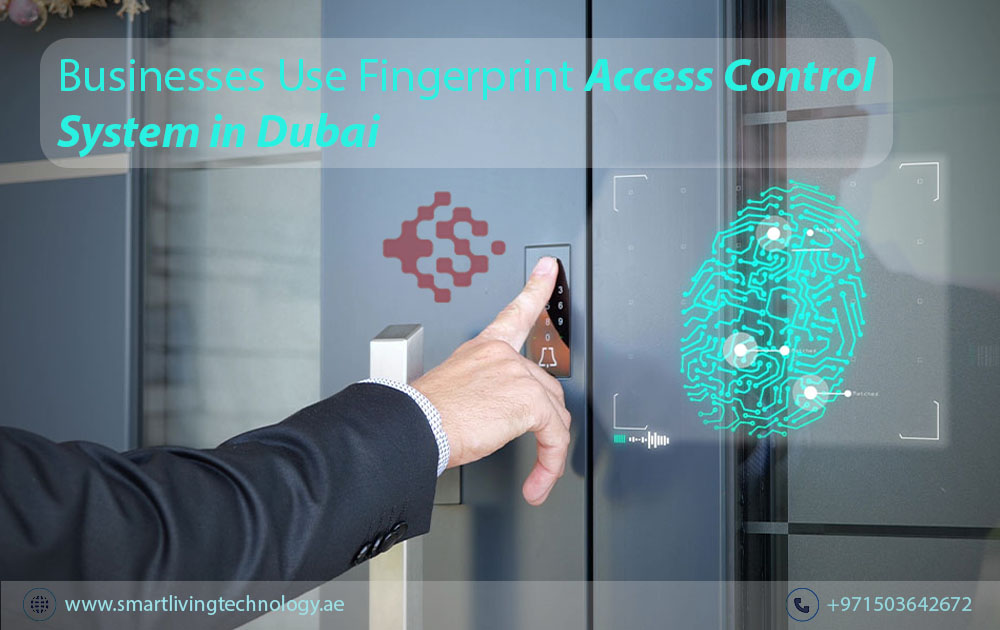
Access control as a workforce management foundation
Dubai businesses are operating in an increasingly regulated and technology-driven environment as 2026 approaches. Organizations manage diverse workforces across offices, warehouses, construction sites, and shared facilities. Access control has evolved from a basic security function into a core component of workforce management and compliance monitoring. Many enterprises now rely on smart access control systems in Dubai to connect physical entry data with employee attendance and operational records, improving accountability across departments.
Industries such as logistics, healthcare, real estate, and corporate services are driving this transformation. These sectors require precise records to meet labor regulations and internal governance standards. Access control systems now support HR teams by providing reliable entry and exit data that aligns with time attendance and payroll processes. This integration reflects Dubai’s broader focus on transparency, digital transformation, and regulatory compliance.
Biometric authentication and attendance accuracy
Biometric authentication has become a standard feature in modern access control systems across Dubai. Fingerprint and facial recognition technologies offer accurate identity verification and eliminate common issues related to access cards or shared credentials. This level of accuracy is particularly valuable for attendance tracking, where even small errors can affect payroll and employee trust.
A professional services firm in Downtown Dubai implemented biometric access across its offices to improve attendance reliability. Within months, discrepancies related to late arrivals and early departures decreased significantly. HR teams reported smoother payroll processing and fewer employee disputes. Biometric data also supports compliance with UAE labor laws by providing time-stamped records of physical presence, which are essential during audits or regulatory reviews.
Integration with time attendance and payroll platforms
Access control systems deliver the greatest value when integrated with time attendance and payroll platforms. Standalone systems often create data silos that require manual reconciliation, increasing the risk of errors. Integrated solutions ensure that access data flows automatically into attendance records, reducing administrative effort and improving accuracy.
A logistics company operating in Jebel Ali adopted an integrated access and attendance solution to streamline payroll operations. Entry and exit data captured by access points fed directly into the payroll system, reducing processing time and minimizing adjustments. Many Dubai organizations work with solution providers such as Smart Living Technology, whose implementations available through https://smartlivingtechnology.ae/ demonstrate how access control can align with existing HR infrastructure without disrupting operations.
Role-based access management for compliance
Dubai workplaces often include permanent employees, contractors, visitors, and temporary staff. Managing access permissions manually in such environments increases the risk of unauthorized entry. Role-based access management allows organizations to assign permissions according to job responsibilities, ensuring that sensitive areas remain protected.
A healthcare facility in Jumeirah implemented role-based access to separate clinical zones from administrative areas. Medical staff accessed treatment rooms efficiently, while restricted zones remained secure. Temporary staff received time-limited permissions that expired automatically. This approach improved compliance with internal policies and supported audit readiness without adding operational complexity.
Cloud-based monitoring and remote administration
Cloud technology has transformed how access control systems are managed in Dubai. Businesses operating across multiple locations benefit from centralized dashboards that provide real-time visibility into access activity. Remote administration allows security teams to monitor entry logs, investigate incidents, and update permissions without visiting each site.
A retail chain managing outlets across Dubai adopted cloud-based access control to improve oversight. Store managers monitored staff movement remotely, while head office teams reviewed consolidated reports. Cloud platforms also support automatic updates and security patches, reducing long-term system vulnerabilities and ensuring consistent performance across locations.
Scalability for growing enterprises
Rapid business growth is common in Dubai’s competitive market. Access control systems must scale easily to accommodate new employees, departments, and locations. Scalable solutions allow organizations to add users and access points without replacing existing infrastructure.
A co-working operator in Business Bay expanded operations across multiple floors within a short period. The existing access system scaled smoothly, supporting new members and staff without major upgrades. Scalability also improves cost efficiency, allowing businesses to plan long-term investments without frequent system changes.
Data security and regulatory alignment
Access control systems handle sensitive employee and biometric data, making data security a critical consideration. Modern systems encrypt stored information and restrict access to authorized administrators only. Secure data handling supports compliance with UAE data protection expectations and builds employee trust.
Detailed access logs also support regulatory audits and internal reviews. Organizations can generate reports quickly, reducing the administrative burden during compliance checks. Strong data protection practices ensure that access control systems contribute positively to corporate governance.
Key takeaways for Dubai businesses in 2026
Access control systems in Dubai are becoming integral to workforce management rather than standalone security tools. Biometric authentication improves attendance accuracy and reduces disputes, while integration with payroll platforms streamlines HR operations. Role-based access supports compliance, cloud-based monitoring enhances oversight, and scalable solutions accommodate business growth. For organizations preparing for 2026, adopting smart access control systems in Dubai means aligning security, productivity, and compliance within a single, reliable framework.
If you want, I can also adapt this for a specific guest post site, adjust industry tone, or rewrite it for another access-control keyword without duplication.
Please write FAQ’s, Meta Titles, Description, short tags and Image SEO
Absolutely! Below is the complete SEO package for your off-page blog on smart access control systems in Dubai. This includes FAQs, meta title, meta description, SEO tags, and image SEO.
FAQs
Q1: What are smart access control systems in Dubai?
Smart access control systems in Dubai are advanced security solutions that manage entry to offices, warehouses, and facilities. They integrate with attendance, payroll, and compliance systems.
Q2: How do biometric features improve access control?
Biometric features like fingerprint and facial recognition reduce errors and prevent unauthorized access. They provide accurate attendance data for HR and payroll.
Q3: Can access control systems be integrated with cloud platforms?
Yes. Cloud-based access control allows real-time monitoring, centralized dashboards, and remote administration for multi-location businesses in Dubai.
Q4: How do role-based access systems support compliance?
Role-based access assigns permissions according to employee responsibilities. It ensures sensitive areas remain secure and supports internal audits and regulatory compliance.