keli
keli 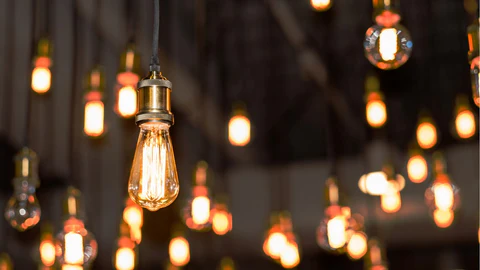
Lighting trends come and go, but some technologies remain part of everyday life longer than expected. One of the most familiar examples is the incandescent light bulb—recognized for its warm glow and instant brightness. Even as newer options dominate store shelves, many homeowners and facility managers still ask whether classic bulbs have a place today. If you’re researching light bulbs incandescent bulb options for specific spaces, it helps to understand what makes incandescent technology unique, where it performs well, and where it falls short compared to modern alternatives.
What is an Incandescent Light Bulb?
An incandescent light bulb produces light by heating a filament (usually tungsten) until it glows. This simple method delivers a natural-looking, warm light that many people find comfortable and flattering. Because the light is created through heat, the bulb converts a significant portion of energy into thermal output rather than visible illumination—one reason energy efficiency has become a major conversation in lighting.
Why People Still Like Incandescent Lighting
Despite the rise of LEDs, incandescent bulbs continue to be used for certain environments because they deliver a distinct “feel”:
-
Warm color rendering: The light is often perceived as cozy and relaxing, making it popular in living rooms, dining areas, and hospitality settings.
-
Instant full brightness: No warm-up time, no delay—just immediate light.
-
Dimming compatibility: Many incandescent bulbs dim smoothly without flickering, depending on the fixture and dimmer setup.
For anyone seeking an incandescent light bulb light effect—especially where ambiance matters—these bulbs can still feel like the most natural option.
The Real Drawback: Efficiency and Heat
The biggest weakness of incandescent technology is efficiency. Since much of the energy becomes heat, it costs more to run over time. Heat also impacts comfort in enclosed fixtures and can contribute to increased cooling load in warm climates or commercial environments.
This is where many buyers begin evaluating incandescent light bulb vs led options. LEDs deliver far more light per watt, generate significantly less heat, and last much longer—often thousands of hours beyond incandescent performance.
Incandescent Light Bulbs: Best Use Cases
Even with limitations, incandescent light bulbs still make sense in a few scenarios:
-
Decorative fixtures where warm glow is essential (some chandeliers, vintage lamps, or exposed-bulb designs).
-
Short-use areas like closets or small spaces where the light is rarely on for long durations.
-
Temperature-sensitive spaces where certain LEDs may not be preferred, depending on product quality and design.
That said, many modern LED bulbs now replicate the warm tone and dimming behavior of incandescent bulbs, which reduces the need to stick with older technology.
Choosing the Right Bulb Type for Your Space
When selecting a bulb, consider these factors:
-
Color temperature: Incandescent bulbs generally sit in the warm range. If switching to LED but wanting the same mood, look for “warm white” or “soft white” with good color quality.
-
Fixture type: Enclosed fixtures, outdoor lamps, or recessed cans may require bulbs rated for those conditions.
-
Dimming needs: If the space uses dimmers, confirm compatibility—especially when comparing incandescent vs LED.
If your goal is to explore bulb options with a focus on classic warmth or specific lighting needs, you can review product considerations and available styles here: https://aqlightinggroup.com/light-bulbs
Final Thoughts
Incandescent bulbs remain iconic because they deliver an inviting, natural light experience. However, efficiency and lifespan concerns make them less practical as an everyday solution. For many homes and businesses, the best approach is to match bulb type to use case—keeping classic glow where it matters most and upgrading high-use areas to more efficient choices.