keli
keli 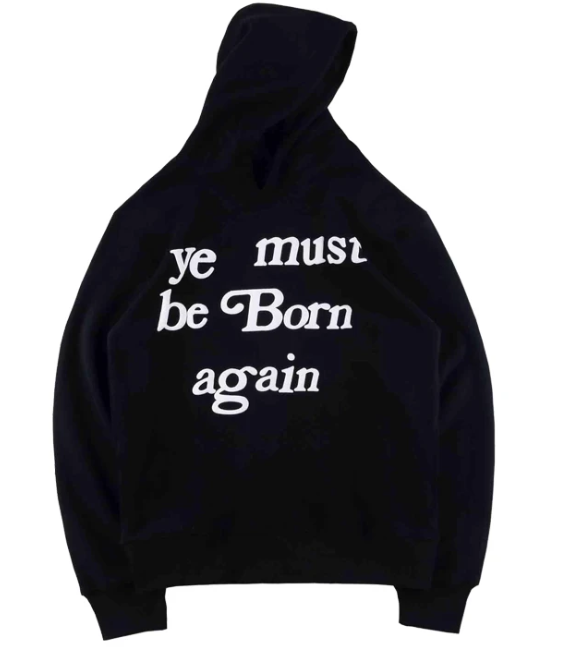
Let’s address what everyone’s thinking but few articles discuss honestly: Kanye West merch continues selling out within minutes, commanding premium resale prices, and defining streetwear trends despite years of controversies that would have destroyed most other brands. The lucky me i see ghosts hoodie still fetches $500+ on resale markets. A simple kanye west hoodie from the Pablo era remains a grail item for collectors. New drops still crash websites and generate lines around blocks.
This creates cognitive dissonance. How can Kanye West merch maintain such cultural and commercial power when the person behind it has become one of pop culture’s most polarizing figures? The answer isn’t simple, comfortable, or one-dimensional. It involves examining the complex relationship between art and artist, understanding fashion’s short memory, acknowledging genuine design merit, and recognizing how merchandise exists in complicated spaces between personal expression, cultural commentary, and commercial product. This article tackles these uncomfortable questions head-on, exploring why Kanye West merch remains relevant and what that says about contemporary fashion culture, consumer psychology, and our relationship with problematic creativity.
Separating Art from Artist: The Eternal Debate
Why People Still Wear the Merch
The “can you separate art from artist?” question has tortured philosophy students and Twitter threads for years. With kanye merch, this debate becomes tangible literally worn on your body for everyone to see and judge.
The Separation Argument:
People who continue wearing Kanye West merch despite disagreeing with his statements often cite:
Historical Precedent: Many beloved cultural artifacts come from problematic creators. We don’t discard entire artistic legacies because creators had flaws or said harmful things.
Design Merit: A kanye west sweatshirt designed in collaboration with talented artists and fashion professionals represents more than just Kanye’s vision it’s collective creative work.
Personal Memory: That lucky me i see ghosts hoodie might represent a meaningful personal moment a concert attended with loved ones, a period of personal growth that exists independently of later controversies.
Financial Investment: People who spent hundreds on kanye west store purchases face real financial decisions about abandoning significant investments.
Fashion as Fashion: Some argue clothing operates in aesthetic realms separate from political statements it’s texture, color, form, not ideology.
The Accountability Counter-Argument
The opposing perspective carries equal weight:
Financial Support: Purchasing Kanye West merch directly or indirectly provides financial resources to someone using their platform for harmful rhetoric.
Visible Endorsement: Wearing recognizable kanye west graduation shirt pieces signals to observers that you support or at minimum tolerate the associated person.
Privilege Dynamics: The ability to separate art from artist often reflects privilege those directly harmed by someone’s words may not have the luxury of aesthetic separation.
Normalization Concerns: Continued commercial success despite harmful behavior suggests accountability doesn’t matter if you’re talented or famous enough.
Alternative Options: Abundant other streetwear exists continuing to choose Kanye West merch represents an active choice with available alternatives.
Living in the Gray Zone
Most people exist somewhere between these poles uncomfortable but not quite ready to abandon pieces they love, aware of implications but weighing them against personal connections and financial realities.
This discomfort itself matters. The person wearing a kanye hoodie while vocally disagreeing with Kanye’s statements navigates genuinely complex ethical territory that simple judgment doesn’t capture.
The Design Legacy That Predates Controversy
Why the Aesthetics Endure
One reason Kanye West merch maintains relevance: much of the design work that created iconic pieces happened during less controversial periods, involving talented collaborators, and established aesthetic languages that transcend any single person.
The Graduation Bear Era:
The kanye west graduation bear imagery came from Takashi Murakami collaboration during Kanye’s early career before major controversies. These designs carry nostalgia for when Kanye was more universally celebrated—wearing them can represent connection to that earlier era rather than endorsement of later behavior.
Pablo Aesthetic:
The Gothic text and bold graphics defining kanye merch from The Life of Pablo era were designed by Willo Perron and his creative team. These pieces represent a design moment that influenced streetwear broadly their impact exists somewhat independently of Kanye himself.
Lucky Me I See Ghosts:
The lucky me i see ghosts hoodie features Takashi Murakami’s artwork from his collaboration with Kanye and Kid Cudi. Murakami’s artistic contribution arguably makes these pieces collaborative art rather than purely Kanye merchandise.
Yeezy Fashion Influence:
Kanye’s fashion work with Yeezy brand (separate from merchandise but related) genuinely influenced how contemporary fashion thinks about minimalism, earth tones, and silhouettes this design legacy exists independently of personal behavior.
The Collaborative Nature of Fashion
Fashion industry professionals emphasize that Kanye West merch represents collective creative work:
- Graphic designers executing visual concepts
- Fashion designers developing garment construction
- Production teams ensuring quality manufacturing
- Artists contributing original artwork and creative direction
- Retailers and buyers curating and presenting pieces
A kanye west shirt represents dozens of people’s creative labor, not just one person’s vision. This complicates the ethics rejecting the merch punishes many people uninvolved in controversies.
The Resale Market’s Amoral Economics
How Secondary Markets Complicate the Picture
The robust resale market for Kanye West merch introduces interesting ethical wrinkles. When you buy that lucky me i see ghosts hoodie from StockX or Grailed, Kanye receives zero financial benefit—your money goes to a third-party seller.
Resale Market Realities:
No Direct Support: Secondary market purchases don’t financially benefit Kanye, removing the “funding harmful behavior” concern from retail purchases.
Already Produced: These items already exist in circulation not buying them doesn’t reduce their existence or Kanye’s past profit.
Market Independence: Resale values reflect streetwear market dynamics often disconnected from Kanye’s current actions pieces maintain value based on design merit, rarity, and historical significance.
Economic Democracy: Resale markets make previously exclusive pieces available to people who missed original releases, democratizing access.
The Signal vs. Support Distinction
However, wearing kanye merch regardless of purchase source still signals something to observers. They can’t know whether you:
- Bought it years ago before controversies
- Purchased secondhand specifically to avoid supporting Kanye
- Don’t know about or care about controversies
- Actively support Kanye despite everything
This ambiguity creates social friction and potential judgment that wearing the merchandise inevitably invites.
Fashion’s Short Memory and Redemption Cycles
Why Controversy Doesn’t Always Kill Brands
Kanye West merch continues succeeding partly because fashion culture has notoriously short memory and readily extends second (third, fourth) chances to talent:
Historical Pattern:
Fashion repeatedly embraces problematic figures who demonstrate creative vision:
- Designers with documented abusive behavior
- Brands with questionable labor practices
- Artists with controversial personal lives
The industry consistently prioritizes aesthetic contribution over ethical consistency. This isn’t necessarily admirable, but it contextualizes why Kanye West merch maintains fashion credibility despite controversies.
The Talent Buffer:
Exceptional creative output creates protective buffer against accountability. Fashion culture suggests that if you’re talented enough, other considerations become secondary. Kanye West store offerings maintain cachet because the design work is genuinely respected by industry professionals.
Redemption Narrative Hunger:
Culture loves comeback stories. Every controversy creates space for eventual redemption arc fashion remains receptive to this possibility, keeping doors open that might close in other industries.
The Generational Knowledge Gap
Younger fans discovering kanye west hoodie pieces through TikTok or Instagram might lack full historical context about controversies. They encounter the merch as aesthetic objects divorced from baggage longtime observers carry.
This creates bifurcated markets:
- Older fans navigating complex relationships with pieces they once loved
- Newer fans engaging primarily with visual aesthetics and streetwear status
- International audiences with different cultural context and awareness levels
The Streetwear Culture Context
How Hype Operates Beyond Individual Approval
Kanye West merch succeeds partly because streetwear culture operates through hype mechanics somewhat disconnected from traditional celebrity endorsement:
Scarcity Creates Value:
Limited lucky me i see ghosts releases create artificial scarcity that drives value regardless of current sentiment about Kanye. The hype beast economy values rarity and exclusivity over ethical alignment.
Historical Significance:
Pablo-era kanye west shirt pieces represent documented moments in streetwear history. Collectors pursue them for archival reasons similar to how people collect historical artifacts from problematic eras—documentation rather than endorsement.
Aesthetic Vocabulary:
The visual language Kanye’s merch introduced Gothic text, bold religious imagery, oversized proportions—became part of broader streetwear vocabulary. Wearing these pieces speaks that design language, which exists beyond any single person.
Community Dynamics:
Streetwear communities form around pieces, creating social value independent of original creators. Your kanye sweatshirt connects you to community members who appreciate the design, regardless of opinions about Kanye himself.
The Irony of Anti-Establishment Consumption
There’s fascinating irony in streetwear’s relationship with Kanye West merch. Streetwear culture often positions itself as anti-establishment, yet creates its own hierarchies, exclusions, and problematic dynamics.
The culture that wears kanye merch as rebellion against mainstream fashion rules often overlooks how purchasing decisions around problematic figures create their own ethical questions. This contradiction doesn’t invalidate streetwear culture, but it reveals complexity that simple judgments miss.
The Financial Reality for Owners
What Do You Do With Expensive Pieces You Already Own?
People who invested significantly in Kanye West merch before controversies face real dilemmas:
The Sunk Cost:
If you spent $500 on a lucky me i see ghosts hoodie years ago, that’s substantial money. Abandoning it doesn’t recover funds or undo the original purchase—it just removes utility from an expensive item.
Resale Considerations:
Selling provides financial recovery, but:
- Market values fluctuate based on current Kanye sentiment
- You’re passing the ethical dilemma to another person
- Platform fees and shipping reduce actual return
- Timing sale for maximum value feels opportunistic
Donation Complexities:
Donating expensive kanye west hoodie pieces creates its own questions:
- Who benefits from receiving controversial merchandise?
- Does donation just transfer the ethical problem?
- Organizations may not want publicly associated with controversial brands
Private Wearing:
Some keep pieces but only wear them at home or in contexts where others won’t see—maintaining personal enjoyment while avoiding public statement.
The Privilege of Choice
It’s worth acknowledging: agonizing over what to do with expensive streetwear represents significant privilege. The ethical weight of Kanye West merch feels different depending on financial circumstances, social position, and proximity to harm caused by Kanye’s statements.
Alternative Perspectives From Different Communities
How Different Groups See the Merch Differently
Kanye West merch doesn’t mean the same thing to everyone:
Black Community Perspectives:
Particularly complex given Kanye’s prominence as Black creative and later controversial statements. Some view continued support as betraying community interests, while others emphasize not letting controversy erase significant Black creative achievements.
Jewish Community Perspectives:
Specific controversial statements created deep hurt in Jewish communities. For many, kanye merch represents active harm regardless of design merit or historical context.
Fashion Industry Professionals:
Often maintain nuanced views separating creative contribution from personal behavior, though this varies significantly by individual values and professional position.
Mental Health Advocacy Communities:
Some emphasize Kanye’s documented mental health struggles, creating compassion framework for understanding behavior while not excusing harm.
Younger/International Audiences:
May encounter kanye west graduation bear or other imagery with limited context about associated controversies, engaging primarily through aesthetic and cultural references.
These varying perspectives remind us that Kanye West merch doesn’t carry universal meaning—its significance varies based on position, experience, and values.
Moving Forward: Individual Choices in Complex Situations
There’s No Universal Right Answer
The uncomfortable truth: there’s no simple resolution to Kanye West merch ethical questions that satisfies everyone. Different people will reach different conclusions based on:
Personal Values Hierarchy:
- How you weight aesthetic appreciation vs. ethical concerns
- Where you draw lines on separating art from artist
- Your financial relationship to pieces you own
- Your social context and community expectations
Practical Considerations:
- Financial investment in existing pieces
- Availability of alternatives that meet your needs
- Social consequences in your specific communities
- Personal meaning attached to specific items
Ongoing Reassessment:
- Situations evolve today’s answer might differ from tomorrow’s
- New information or actions might shift your perspective
- What feels right changes as you grow and learn
Thoughtful Engagement Beats Performative Purity
Rather than performative demonstrations of ethical purity or defensive justifications, thoughtful engagement serves everyone better:
If You Choose to Wear Kanye West Merch:
- Acknowledge the complexity honestly
- Don’t minimize legitimate concerns others raise
- Consider context some situations carry more weight than others
- Remain open to reconsidering as situations evolve
- Support voices harmed by associated controversies in other ways
If You Choose Not to Wear It:
- Recognize not everyone will make your choice
- Avoid assuming others’ motivations or awareness
- Understand financial and personal factors complicating decisions
- Focus energy on addressing harm rather than policing fashion
- Remember grace and education reach people better than judgment
Conclusion
Kanye West merch remains popular, valuable, and culturally significant not because people don’t care about controversies but because culture is messy, humans are contradictory, and ethical consumption under capitalism involves constant compromises everyone navigates differently. The lucky me i see ghosts hoodie selling for hundreds despite everything reveals not that people lack values but that negotiating those values against aesthetic appreciation, financial investment, personal meaning, and community belonging creates genuinely difficult choices without perfect answers.
Whether you’ve decided to pack away your kanye west shirt collection, continue wearing pieces you love while acknowledging discomfort, or actively avoided Kanye West merch entirely, recognize that thoughtful people can reach different conclusions. The goal isn’t universal agreement but rather moving through these questions with honesty, humility, and recognition that reducing complex cultural phenomena to simple moral binaries rarely serves anyone well.
The enduring market for kanye merch ultimately reflects our broader cultural inability to cleanly separate creativity from creator, aesthetic value from ethical implications, and personal enjoyment from social responsibility. Living in that tension uncomfortable as it feels might be more honest than pretending clear answers exist.
Frequently Asked Questions About Kanye West Merch Controversies
Q: Is it okay to still wear Kanye West merch after his controversies?
A: There’s no universal answer Kanye West merch wearability depends on personal values, community context, and how you weigh aesthetic appreciation against ethical concerns. Some people separate design merit from creator behavior, especially for pieces like the lucky me i see ghosts hoodie involving other artists’ contributions. Others feel wearing kanye west hoodie items signals problematic endorsement. Consider your personal values, social context, financial investment, and whether you can thoughtfully explain your choice to those who might question it.
Q: Does buying Kanye West merch on resale markets still support him financially?
A: No purchasing Kanye West merch from secondary markets like StockX, Grailed, or consignment shops provides zero financial benefit to Kanye. Resale transactions occur between third parties, meaning your money goes to previous owners. However, wearing kanye merch regardless of purchase source still creates visibility that could influence others’ purchasing decisions and maintains cultural relevance, so ethical considerations extend beyond just direct financial support.
Q: Why does Kanye West merch still maintain high resale value despite controversies?
A: Kanye West merch maintains value through multiple factors independent of current controversies: genuine design merit and fashion industry respect, established scarcity from limited production runs, historical significance documenting important streetwear moments, collaborative pieces like lucky me i see ghosts featuring respected artists like Takashi Murakami, and streetwear culture valuing rarity and aesthetic over creator behavior. Markets demonstrate that collectors separate design appreciation from personal approval.
Q: What should I do with expensive Kanye West merch I bought before controversies?
A: Kanye West merch owners face personal decisions without universal answers. Options include: continuing to wear pieces while acknowledging complexity, selling on resale markets to recover investment, keeping items but only wearing privately, donating to organizations (though some may not want controversial merchandise), or storing pieces as potential future vintage items. Consider financial investment, personal meaning, social context, and your own values when deciding. Many people find different answers for different pieces in their collection.
Q: How do I explain to others why I still wear Kanye West merch?
A: If you choose to wear Kanye West merch, prepare thoughtful explanations acknowledging complexity rather than defensive justifications. You might explain: purchased items years before controversies, bought secondhand specifically avoiding direct financial support, appreciate collaborative design work by multiple artists, separate aesthetic appreciation from creator endorsement, or value personal memories associated with pieces like your kanye west graduation shirt. Most importantly, listen respectfully when others explain why the merch bothers them, and recognize their perspective carries validity even if you reach different conclusions.