keli
keli 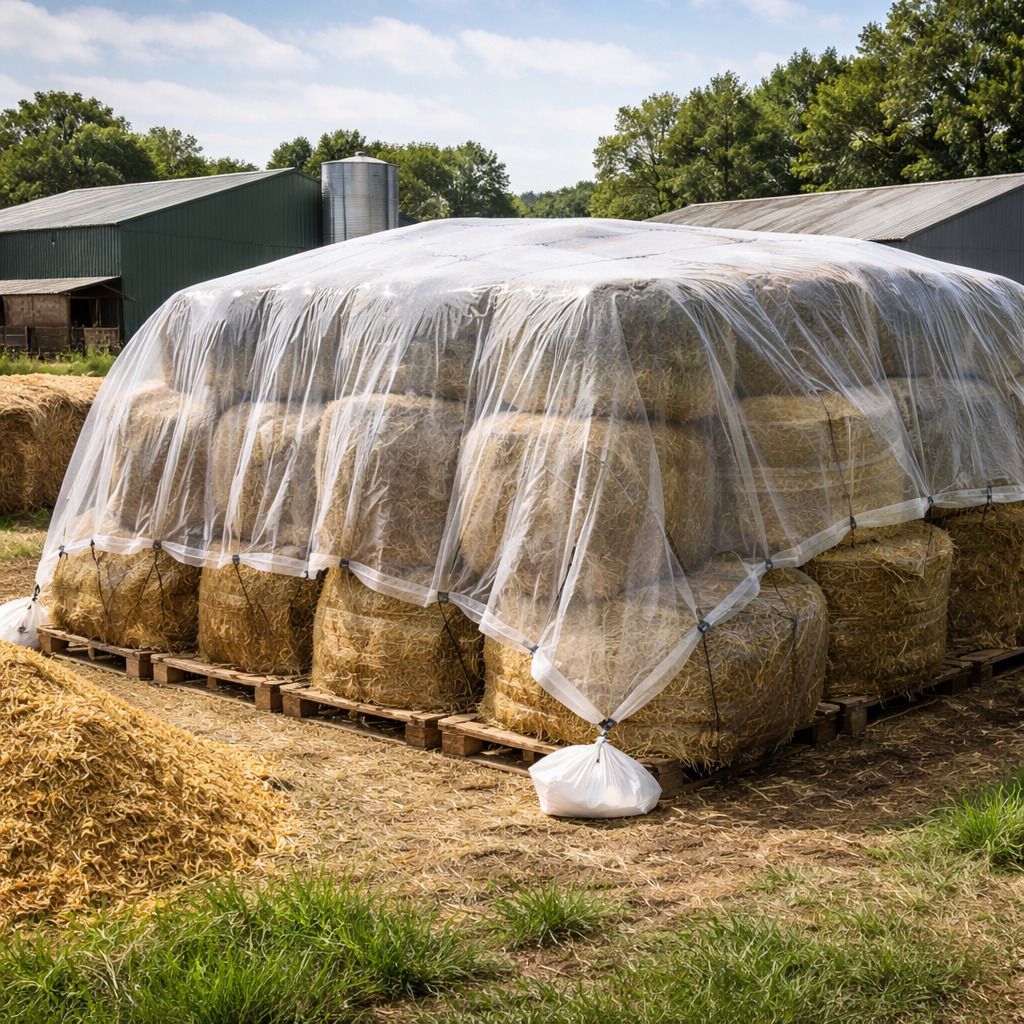
Farmers might find winter tough, particularly when it comes to protecting feed for their livestock. Feed can be destroyed by heavy snow, rain, and subfreezing temperatures; its nutritional value can be diminished; and it can be challenging to feed animals on a regular basis. Maintaining the health and productivity of livestock during the chilly months depends on making sure they have access to dry and clean feed. Using a Waterproof Tarpaulin, which is both durable and weather resistant, is among the most successful ways to preserve feed.
Why Feed Protection Matters
Livestock feed can easily go bad or absorb too much moisture. Mold growth and bacterial contamination can result from snow, rain, or melting ice making feed wet. Animals eating bad food could get sick, have weaker immune systems, and grow slower. Also, wet food can freeze in very cold temperatures, which makes it hard to move and handle. Farmers can stop these problems and make sure their animals get good food all winter by keeping the food safe with a Tarpaulin Sheet.
Equally crucial is keeping a constant feed supply. Unexpected weather events can interrupt access to feed and raise tension levels in cattle. Good storage with Waterproof Tarpaulin not only protects feed from bad conditions but also gives farmers peace of mind knowing their stock is safe no matter the weather. Furthermore, this technique lowers feed waste, therefore over time it can save costs and boost general farm effectiveness.
Choosing the Right Tarpaulin
Good feed protection depends on choosing the right Tarpaulin Sheet. Farmers should choose wisely as different tarpaulin types offer different degrees of tearing resistance, waterproofing, and durability. A good Waterproof Tarpaulin should be thick, flexible, and able to withstand the cold, ice, and wind of a harsh winter.
Farmers should also think about how big and how much ground it covers. Since feed heaps vary greatly in size, it is crucial to make sure the tarpaulin totally covers the storage space to keep snow or rain from getting to it. Using reinforced grommets or loops along the sides of the tarpaulin to tie it firmly can help farmers lower the chance of the sheet being blown away by strong winds. Farmers may improve feed preservation and lower the possibility of spoilage by wisely choosing the suitable Tarpaulin Sheet.
Preparing the Ground
The storage area has to be thoroughly ready before you put a Waterproof Tarpaulin over feed. The ground should be flat and clear of standing water, trash, or sharp objects that could harm the tarpaulin. Constructing a slightly elevated platform or using pallets increases protection by preventing below moisture from soaking into the feed.
Ensuring Proper Ventilation
Ensuring adequate airflow around the feed is also critical. Though the tarpaulin shields off snow and rain, pent-up humidity can yet cause condensation beneath. Slight gaps at the edges or raised corners enable airflow without endangering the protective barrier. These preliminary measures will help farmers to get the most out of their Clear Tarpaulin and lower possible hazards brought on by trapped moisture.
Covering Feed Correctly
Correct methods and thorough planning are necessary for effective livestock feed coverage. First, to avoid any wrinkles or folds that could gather water, the Waterproof Tarpaulin should be totally spread out. Farmers next should cover the feed pile uniformly, making certain there is complete coverage all around.
Securing the Tarpaulin
Preventing the tarpaulin from moving in windy circumstances depends on securing the borders. To secure the sheet strongly, farmers might thread ropes through reinforced grommets or set huge objects, such sandbags or bricks, around the periphery. Farmers should inspect the tarpaulin often, particularly following storms, to make sure it keeps intact and positioned correctly. Apart from protecting food from snow and rain, covering it well avoids animal or trash pollution, therefore preserving a clean and safe food source.
Avoiding Moisture Buildup
Even with a premium Tarpaulin Sheet, water buildup below might provide dangers. Warm air from the ground or animals interacting with the cold tarp surface could cause condensation.
Moisture Prevention Tips
Employing a permeable underlayer either straw or dry hay helps to absorb extra moisture and keep the feed dry. Slightly raising the tarp’s corners or edges lets air move, therefore lowering humidity accumulation. Regular feed surveillance is also crucial; To stop mold development, farmers should respond to any indications of moisture right away. Together with a Waterproof Tarpaulin, these preventative measures offer a dependable way to keep wintertime livestock feed safe.
Benefits of Tarpaulin
Using a waterproof tarp has benefits other than only shielding against the rain. Being lightweight, portable, and reusable, tarpaulins provide a cost-effective means of storing feed during the winter. When not being used, farmers can simply fold and store them to maximize the use of available space on the farm.
Tarpaulin for Flexible Storage Options
Tarpaulins also offer storage solution versatility. Farmers may cover varying feed stacks and layer several sheets to shield bigger regions. Furthermore, a tarpaulin sheet lessens labor as opposed to building permanent shelters and yet offers similar defense against severe winter circumstances. For many farmers during the chilly months, tarpaulins are the ideal option because they are strong, affordable, and easy to use.
Common Challenges
Although tarpaulins have many advantages, some frequent issues have to be taken care of. Strong gusts can lift or rip badly fastened sheets, so wind is a major worry. Stabilizing the tarp involves using reinforced grommets and hefty weights at the edges.
Tarpaulin for Managing Snow and Ice
Snow buildup above the feed cover also presents a problem. If snow accumulates, the extra weight could stress the feed under the tarp. Farmers should routinely get rid of extra snow to keep the cover intact. Furthermore, treat cold or frozen tarps with caution as folding or moving them under these circumstances could result in damage. Farmers that actively address these issues may guarantee long-term protection of their cattle feed.
Integrating Tarpaulin into Winter Plans
Including tarp use into a more general winter farm management plan can help to improve general efficiency and lower hazards. Scheduling routine feed pile and tarp coverage inspections helps to guarantee early discovery of any problems. Farmers may also mix tarp protection with additional cold techniques including, indoor storage for premium feed or feed pile rotation to lower extended exposure to the weather. Get More Blogs
Tarpaulin for Maintenance and Training
Equally crucial is training farm workers on appropriate tarp storage and management methods. Regular practices lower the likelihood of unintentional damage and help to maximize the lifespan of the Waterproof or Tarp. Farmers may sustain a trustworthy feed supply, promote animal health, and lower general winter losses by including tarp use into daily winter routines.
Final Thoughts
Protecting livestock feed during winter is a vital aspect of farm management, and the use of a Waterproof Tarp or Tarp Sheet provides an effective solution. Tarps help animals get clean and nutritious food even when the weather is bad because they stop moisture from causing damage, slow down decay, and make it easier to handle feed.
Farmers that properly choose, prepare, and maintain their tarps can reap major rewards including lower total costs, better animal health, and less feed waste. Good coverage techniques, solutions to typical problems, and tarp incorporation into winter routines will all help build a robust and effective feeding system. The modest expenditure in a good tarp in the long run will safeguard not only livestock feed but also the farm’s output and profitability throughout the chilliest months of the year.