keli
keli 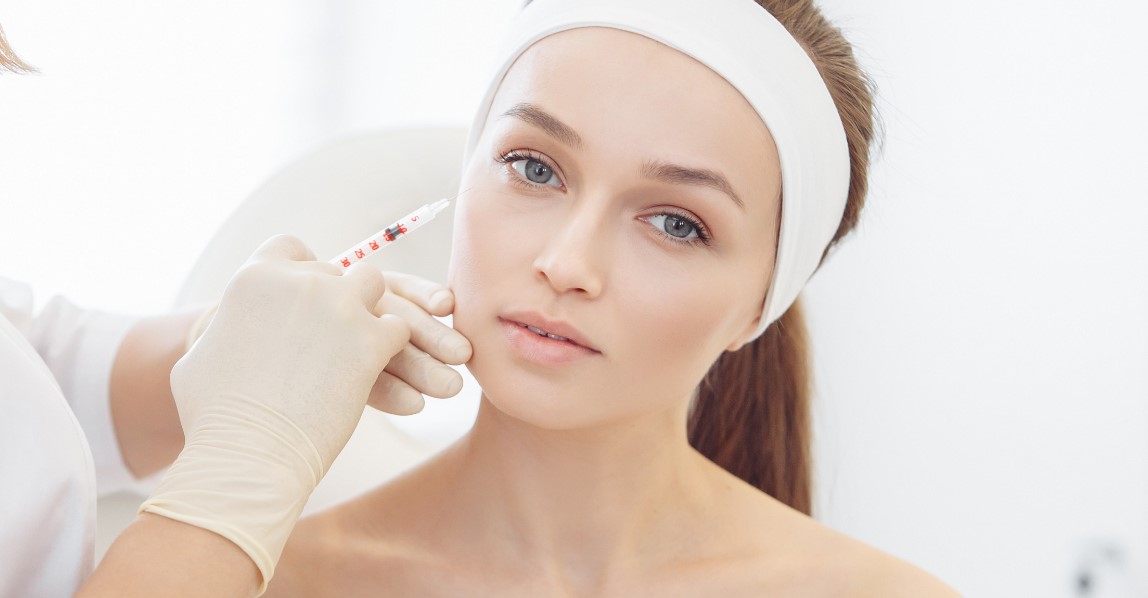
Understanding Botox in Dubai: A Revolution in Cosmetic Treatments
In recent years, Botox in Dubai has become one of the most popular non-surgical cosmetic procedures, offering a safe and effective way to address facial lines and wrinkles. Patients seek Botox in Dubai to achieve a refreshed and youthful appearance without the need for invasive surgery. This treatment works by temporarily relaxing targeted muscles, reducing the appearance of dynamic wrinkles caused by repeated facial expressions. The precision and expertise offered in clinics providing Botox in Dubai ensure that results look natural and harmonious with the overall facial structure.
The growing popularity of Botox in Dubai can be attributed to its minimally invasive nature and immediate aesthetic benefits. Unlike surgical interventions, Botox in Dubai requires little to no downtime, allowing individuals to maintain their daily routines while achieving noticeable improvements. With professional application, patients experience enhanced facial symmetry, smoother skin, and a more youthful look that boosts confidence.
Key Benefits of Botox in Dubai: Youthful and Natural Results
The primary appeal of Botox in Dubai lies in its ability to deliver subtle yet effective enhancements. By targeting areas such as forehead lines, crow’s feet, and frown lines, Botox in Dubai smooths wrinkles and prevents them from deepening over time. The treatment not only rejuvenates the appearance but also preserves natural facial expressions, ensuring that the results are harmonious rather than artificial.
Patients undergoing Botox in Dubai enjoy numerous benefits beyond wrinkle reduction. The procedure is quick, typically taking less than 30 minutes, and results become visible within a few days. With continued maintenance, the effects of Botox in Dubai can last for several months, providing a long-lasting solution for facial rejuvenation. Additionally, professional practitioners in Botox in Dubai clinics carefully customize each treatment plan to suit individual needs, enhancing overall facial aesthetics and achieving a balanced, youthful appearance.
Uses of Botox in Dubai: More Than Just Wrinkle Reduction
While commonly associated with smoothing facial lines, Botox in Dubai offers a wide range of applications. Beyond cosmetic enhancement, Botox in Dubai is also used for medical purposes, including the treatment of excessive sweating (hyperhidrosis), chronic migraines, and muscle spasms. These therapeutic uses highlight the versatility of Botox in Dubai in both aesthetic and clinical contexts.
Cosmetically, Botox in Dubai can be applied to the forehead, around the eyes, and between the eyebrows to minimize signs of aging. Some individuals also use Botox in Dubai for subtle lifting effects, enhancing the natural contours of the face. The versatility of Botox in Dubai ensures that patients can achieve their desired results, whether aiming for a refreshed appearance, improved symmetry, or targeted medical relief. Expert practitioners in Botox in Dubai clinics evaluate facial anatomy and movement to deliver precise, safe, and effective treatments.
Longevity and Maintenance of Botox in Dubai: Sustaining Optimal Results
One of the most appealing aspects of Botox in Dubai is the long-lasting nature of its results. While the effects are temporary, they can persist for three to six months depending on individual factors, including muscle activity, metabolism, and lifestyle. Regular follow-up treatments allow patients to maintain smooth, youthful skin and prevent the formation of new dynamic wrinkles.
Professional administration of Botox in Dubai ensures that the product is placed accurately, enhancing both efficacy and duration. Clinics offering Botox in Dubai provide personalized maintenance schedules tailored to each patient’s needs, optimizing results over time. With consistent application and expert care, individuals can enjoy sustained aesthetic benefits and a natural, rejuvenated appearance for months, making Botox in Dubai a convenient and effective solution for long-term facial enhancement.
FAQs About Botox in Dubai
How Long Do the Effects of Botox in Dubai Last?
The results of Botox in Dubai typically last between three and six months. With regular maintenance, the effects can be prolonged, helping maintain a youthful and refreshed appearance.
Is Botox in Dubai Safe?
Yes, when administered by trained professionals, Botox in Dubai is considered safe. Clinics use FDA-approved products and follow strict protocols to ensure patient safety and optimal outcomes.
Can Botox in Dubai Look Natural?
Absolutely. The goal of Botox in Dubai is to provide subtle enhancements that smooth wrinkles while preserving natural facial expressions. Expert application ensures results appear balanced and harmonious.
Is Recovery Required After Botox in Dubai?
Most patients experience minimal downtime after Botox in Dubai. Mild redness or swelling at the injection site may occur but typically resolves within a few hours to a couple of days, allowing patients to resume normal activities immediately.
Who Can Benefit from Botox in Dubai?
Adults seeking wrinkle reduction, facial rejuvenation, or treatment for specific medical conditions such as hyperhidrosis or migraines are ideal candidates for Botox in Dubai. Personalized consultations help determine suitability and tailor treatments to individual needs.
Conclusion
Botox in Dubai has revolutionized non-surgical facial aesthetics by providing safe, effective, and long-lasting solutions for both cosmetic and therapeutic needs. From smoothing wrinkles and preventing signs of aging to addressing medical concerns, Botox in Dubai offers versatile benefits that enhance appearance and improve quality of life.
With professional application, patients can achieve natural and harmonious results that complement their facial structure while preserving expression and movement. The longevity of Botox in Dubai, combined with its minimal downtime and customizable treatment options, makes it an ideal choice for those seeking subtle yet impactful enhancements. By prioritizing precision, safety, and tailored care, Botox in Dubai continues to set the standard for modern facial rejuvenation, ensuring that individuals look and feel their best with confidence and elegance