keli
keli 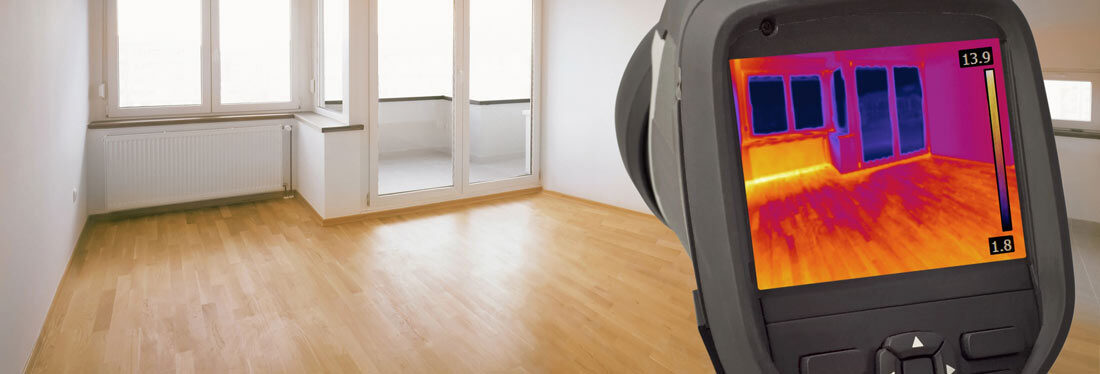
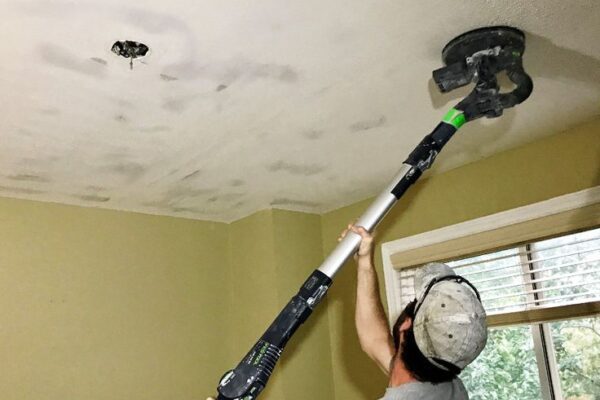
Hoe werkt het proces van controleren of je dak nog waterdicht is? Je begint met een grondige visuele inspectie. Dit betekent dat je alle dakbedekking, dakgoten en aansluitingen bekijkt op scheurtjes, barsten of losliggende stukken. Vaak zie je kleine signalen zoals waterkringen of schimmelvorming rond de dakrand. Dit zijn de eerste tekenen dat er misschien iets mis is met je dak en dat een waterinfiltratie op de loer ligt.
Dan komt de professionele lekdetectie erbij kijken. Hierbij worden er technologieën gebruikt zoals rookproeven, thermografie of vochtmetingen. Zo spoor je de kleinste lekken op, ook als die met het blote oog niet zichtbaar zijn. Vaak zijn er verschillende methoden nodig, zeker bij een plat dak of een complex dakconstructie, omdat water zich soms een weg baant onder de dakbedekking die je niet verwacht.
Tot slot is het belangrijk om na lekdetectie meteen actie te ondernemen. Een kleine lekkage kan snel grote schade veroorzaken aan isolatie en draagstructuur. Regelmatig je dak controleren en gebruiken maken van moderne detectietechnieken zoals ultrasoon of infrarood analyse, houden je woning veilig en besparen je op lange termijn veel geld. Twijfel je of het tijd is voor controle? Een Lekdetectie Antwerpen bedrijf in België kan hiervoor het beste advies en de juiste oplossing bieden.
Wat betekent een waterdicht dak?
Een waterdicht dak houdt vocht buiten en zorgt ervoor dat het binnen aangenaam droog blijft. Bij elk type dak, van een plat dak met bitumen tot een hellend dak met leien of dakpannen, is het cruciaal dat regen, sneeuw en condens geen kans krijgen. Waterdichtheid voorkomt ernstige waterschade aan je isolatie, draagstructuur, plafonds en muren. Zelfs kleine lekken kunnen leiden tot schimmelvorming en houtrot. Een regelmatig onderzoek naar de status van je dak is dus essentieel.
Hoe controleer je systematisch of je dak nog waterdicht is?
Om zeker te zijn dat een dak volledig waterdicht is, wordt een grondig proces gevolgd met diverse professionele technieken en meetinstrumenten. Onze specialisten van Ultrices Lekdetectie zetten de meest geavanceerde, non-destructieve methodes in. Je krijgt zo zekerheid over de situatie, zonder onnodige schade of kosten.
- Visuele inspectie: Onze experts kijken naar zichtbare schade, scheurtjes, verschoven dakpannen, gescheurde loodslabben en verstopte dakgoten. We beoordelen eventuele plekken waar vocht naar binnen kan sijpelen, zoals aansluitingen rond schoorstenen en dakramen.
- Detectie met thermografie: Door middel van infraroodcamera’s brengen we temperatuursverschillen in kaart. Koude plekken kunnen wijzen op vochtinfiltratie of natte plekken in isolatiemateriaal.
- Praktijktest met rookgas: Door rook onder het dakvlak te blazen, zie je snel waar de rook ontsnapt. Dit toont plekken waar je dak niet volledig afgedicht is.
- Elektronische vochtmeting: Met elektroden en vochtmeters formaliseren we of er vocht zit onder de dakbedekking, zonder het dak te openen.
Uit welke stappen bestaat het lekdetectie proces voor waterdichte daken?
Het volledige controleproces bestaat uit verschillende logische opeenvolgende stappen. Dankzij jarenlange ervaring volgen wij telkens deze ijzersterke werkwijze:
- Vooroverleg en analyse: We bespreken je klachten en situeren de mogelijke problematische zones van je dak.
- Uitvoeren van een grondige visuele controle: Daarna bekijken we alle dakdetails, aansluitingen en doorvoeren.
- Selecteren van de juiste detectietechniek: Op basis van daktype bepalen we de optimale methode, zoals ultrasonische metingen, rooktesten, rookgasinspectie, thermografie, traceergas of endoscopie.
- Uitvoeren van de gekozen tests: Onze Ultrices Lekdetectie specialisten leggen de resultaten zorgvuldig vast en brengen mogelijke zwakke punten in kaart.
- Rapportage en expertise verslag: Binnen drie dagen ontvang je een volledig expertiseverslag met foto’s, uitleg en hervattingsvoorstel.
- Advies voor reparatie of preventieve maatregelen: We geven praktisch advies op maat om je dak definitief waterdicht te maken of te houden.
Welke technieken maken daken droog en veilig?
Het type lekdetectie stemmen we altijd af op het materiaal en de opbouw van je dak. In België zien we verschillende daksystemen, elk met hun eigen uitdagingen. Naast de hierboven genoemde methodes gebruiken wij bijvoorbeeld ook:
- Traceergasdetectie: Specifiek voor platte daken en moeilijk bereikbare plekken. Dit inert gas ontsnapt via het kleinste lekje.
- Endoscopie: Voor spouwmuren, dakranden of complexe details waarbij de oorzaak anders verborgen blijft. Een kleine camera brengt het probleem in beeld zonder schade te maken.
- Akoestische detectie: Bij vermoedens van lekken in waterleidingen of platte daken luisteren we via geluidsgolven naar minuscule stromingen van water.
De toepassing hangt dus sterk af van de constructie, het gebruikte materiaal – denk aan roofing, EPDM, leien, aluminium of zink – en de leeftijd van het dak.
Waarom kiezen voor een expert zoals Ultrices Lekdetectie?
Als VCA-gecertificeerd bedrijf met meer dan tien jaar ervaring in België bieden wij waterdichtheidsonderzoeken zonder hak- en breekwerk. Dankzij onze landelijke dekking én onze samenwerking met alle grote verzekeraars bezorgen wij je snel en betrouwbaar duidelijkheid over je daklek of schade. Wij bieden:
- Kosteloze offerte binnen 24 uur: Geen verrassingen, een duidelijke prijs vooraf.
- Expertise verslag binnen drie dagen: Concreet bewijs voor tussenkomst door je verzekering of hersteller.
- Geen oplossing? Geen betaling: Risicovrije samenwerking met garantie op resultaat.
- Spoedservice en bereikbaarheid: Binnen één uur ter plaatse in geval van acute waterschade of noodsituaties.
- 24/7 bereikbaarheid: Altijd advies of interventie wanneer jij dat nodig hebt.
Belangrijke signalen van een niet-waterdicht dak
Waterdichtheid controleren wordt vaak pas gedaan als er schade is, maar voorkomen is beter dan genezen. Enkele signalen die kunnen wijzen op vochtproblemen of lekkages zijn:
- Vochtplekken op muren of plafonds: Vooral na regenval of wind uit een specifieke hoek.
- Schimmel onder het dak of bij dakranden: Vaak veroorzaakt door doorsijpelend vocht.
- Rotte of losse dakconstructie: Kan wijzen op langdurige waterinsijpeling.
- Klusjes aan lood of zink die loskomen: Slechte aansluiting verhoogt het risico op lekkage.
- Muffe geur of druppelende geluiden: Deze kunnen wijzen op verborgen lekken.
Hoe houd je je dak op lange termijn waterdicht?
Een waterdicht dak vraagt om regelmatig onderhoud en tijdig herstel van kleine gebreken. Voorkomen dat water blijft staan, bladeren en vuil tijdig verwijderen van je dak en dakgoten, en scheurtjes of voortekens van slijtage snel laten aanpakken door een professional blijven cruciaal. Een jaarlijkse controle door Ultrices Lekdetectie verhoogt de levensduur van je dak en bespaart je grote kosten op termijn.
Onze experts hanteren de strengste Europese normen en werken nauw samen met organisaties als het NAV, VEB en diverse Belgische vastgoedbeheerders voor onderbouwde rapportages en duurzame oplossingen. Zo ben je zeker van correcte informatie, snel geregelde verzekeringsdossiers en een minimale overlast.
Waterdichtheid van je dak controleren verloopt dus gestructureerd, professioneel en zonder toegevingen op kwaliteit, met moderne technieken en actuele kennis in huis. Zo blijft je woning optimaal beschermd tegen alle weersinvloeden.
FAQ
1. Hoe weet je of je dak nog waterdicht is?
Een waterdicht dak is cruciaal, zeker met het grillige Belgische weer. Scheurtjes, blaasjes en mosgroei zijn vaak tekenen dat er iets mis is. Bij Ultrices Lekdetectie gebruiken we geavanceerde technieken zoals rookproeven en thermografie om lekken snel te spotten. Merk je vochtplekken of schimmel binnen? Dan is het hoog tijd om actie te ondernemen.
2. Wat gebeurt er tijdens een professionele dakcontrole?
Wij komen zónder hak- en breekwerk bij je thuis, zelfs met spoed. Eerst inspecteren we je dak visueel. Daarna zetten we moderne lekdetectie-apparatuur in, waardoor we verborgen gebreken zoals micro-scheurtjes tot op de centimeter nauwkeurig opsporen. Je krijgt een volledig expertiseverslag binnen drie dagen.
3. Hoe snel detecteert een lekdetectiebedrijf zoals Ultrices Lekdetectie een lek?
Onze experts staan binnen een uur aan je deur, zelfs midden in de nacht. Dankzij onze ervaring van meer dan 10 jaar en het gebruik van toptechniek, is het lek vaak binnen een paar uur gelokaliseerd. Zo krijg je van ons binnen 24 uur een gratis offerte, en weet je snel waar je aan toe bent.
4. Welke garantie heb je bij een dakinspectie?
Bij Ultrices Lekdetectie betaal je alleen als we het probleem vinden. Vinden we niets, betaal je niks. Dankzij onze VCA-certificatie, 5-sterrenreviews en samenwerking met verzekeraars ben je altijd zeker van een kwaliteitsvolle en veilige aanpak!
5. Wat kan je zelf doen om je dak waterdicht te houden?
Regelmatige controlerondjes doen wonderen! Kijk elk jaar naar barsten, losse nokpannen of ophoping van takken. Maar als je twijfelt, laat het dan professioneel controleren – zo voorkom je grote ellende en kosten op de lange termijn. Ultrices Lekdetectie staat altijd klaar!