keli
keli 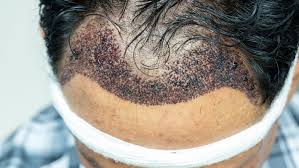
Hair loss triggers one big question in almost every patient’s mind: Is a hair transplant permanent, or will the hair fall out again? Clinics often answer with a confident “yes,” but real life works with more detail than marketing slogans.
A hair transplant surgery can deliver long-lasting results, but permanence depends on biology, technique, and long-term care. This article explains the real facts doctors explain during proper consultations, not the shortcuts often used in advertisements—especially for patients considering hair transplant Lahore options.
What “Permanent” Actually Means in Hair Transplant
When doctors say a hair transplant is permanent, they refer to the donor hair characteristics, not a guarantee that no hair will ever fall again.
Hair transplant surgery relocates follicles from areas genetically resistant to hair loss—usually the back or sides of the scalp. These follicles retain their resistance after transplantation.
That resistance gives transplanted hair its long-term survival advantage.
Trusted sources:
American Academy of Dermatology (AAD)
International Society of Hair Restoration Surgery (ISHRS)
Why Donor Hair Matters More Than Location
The scalp does not decide hair survival—genetics do.
Hair follicles taken from the donor area resist dihydrotestosterone (DHT), the hormone responsible for pattern hair loss. When surgeons implant these follicles into thinning or bald areas, the follicles keep their original behavior.
This concept is called donor dominance, and it forms the scientific foundation of hair transplant permanence.
Source: ISHRS Hair Biology Research
Does Transplanted Hair Ever Fall Out?
Yes—and no. This confuses many patients.
The Short Answer
-
Transplanted hair sheds temporarily after surgery
-
The follicle remains alive
-
New hair grows back permanently
This initial shedding phase, often called shock loss, happens in the first 1–3 months and does not indicate failure.
The Long Answer
Permanent does not mean immortal. Hair still ages naturally, just like the rest of your body.
What Hair Transplant Clinics Rarely Explain Clearly
Many hair transplant clinics focus on selling results, not managing expectations. Here are the truths patients deserve to know.
1. Transplanted Hair Is Permanent, Native Hair Is Not
A hair transplant only moves hair—it does not stop future hair loss. Native hair around transplanted areas may continue thinning if left untreated.
That is why doctors often recommend medical therapy alongside surgery.
Source: Dot Clinic Hair Loss Guidelines
2. Permanence Depends on Surgeon Technique
Even the strongest follicle can fail if handled poorly.
Permanent results require:
-
Proper graft extraction
-
Correct angle and depth placement
-
Minimal graft trauma
An experienced surgeon protects follicle survival. An inexperienced one shortens its lifespan.
3. Overharvesting Weakens Long-Term Results
Aggressive graft extraction damages the donor area permanently. Some clinics overharvest to create instant density but harm future stability.
A responsible hair transplant clinic plans for today and ten years later, not just photo sessions.
Hair Transplant Permanence in Lahore: What Patients Should Know
Patients seeking hair transplant Lahore services often ask if local climate, pollution, or water quality affects results. The honest answer: no.
Environmental factors do not destroy transplanted follicles. What matters is:
-
Surgeon training
-
Clinic sterilization standards
-
Post-surgery guidance
Lahore hosts both high-quality medical centers and poorly regulated setups. Choosing wisely matters more than location.
When Hair Transplant Results Are NOT Permanent
Hair transplant surgery does not work equally for everyone. Some situations limit permanence.
Autoimmune Hair Loss
Conditions like alopecia areata attack hair follicles unpredictably. Transplantation does not stop immune activity.
Source: Journal of the American Academy of Dermatology
Diffuse Unpatterned Alopecia
When hair thins evenly across the scalp, doctors cannot identify a safe donor area. Transplanted hair may thin over time.
Very Young Patients
Patients under 22 often experience progressive hair loss. Early surgery may look unnatural later as surrounding hair disappears.
Doctors usually recommend waiting until hair loss stabilizes.
How Long Does a Hair Transplant Last?
In suitable candidates:
-
Transplanted hair lasts many decades
-
Some patients keep results for life
Long-term studies show stable transplanted hair even after 20 years when donor selection and technique remain correct.
Source: ISHRS Long-Term Outcome Studies
Does Lifestyle Affect Permanence?
Lifestyle does not directly kill transplanted follicles, but it influences overall scalp health.
Helpful habits include:
-
Managing stress
-
Maintaining nutrition
-
Avoiding smoking
Healthy scalps support healthier hair growth. Simple logic, no magic.
Do You Need Ongoing Treatment After a Hair Transplant?
Often, yes.
Doctors may suggest:
-
Topical minoxidil
-
Oral medications where appropriate
-
Periodic follow-ups
These treatments protect remaining native hair, not transplanted hair. This distinction matters.
How to Judge a Clinic’s Honesty About Permanence
A trustworthy hair transplant clinic will:
-
Explain limitations clearly
-
Discuss future hair loss risks
-
Avoid “guaranteed lifetime” claims
-
Focus on medical planning, not sales pressure
Transparency builds trust—with patients and with search engines.
Final Verdict: Is Hair Transplant Permanent or Not?
A hair transplant is permanent when biology, technique, and planning align.
Transplanted hair:
-
Keeps its genetic resistance
-
Grows naturally
-
Lasts long-term
But surgery does not freeze aging or stop untreated hair loss elsewhere.
Informed patients get better results. Honest clinics deliver better outcomes. That combination defines real success—not slogans.
Trusted Medical References
-
American Academy of Dermatology (aad.org)
-
International Society of Hair Restoration Surgery (ishrs.org)
-
Dot Clinics
-
Journal of the American Academy of Dermatology