keli
keli 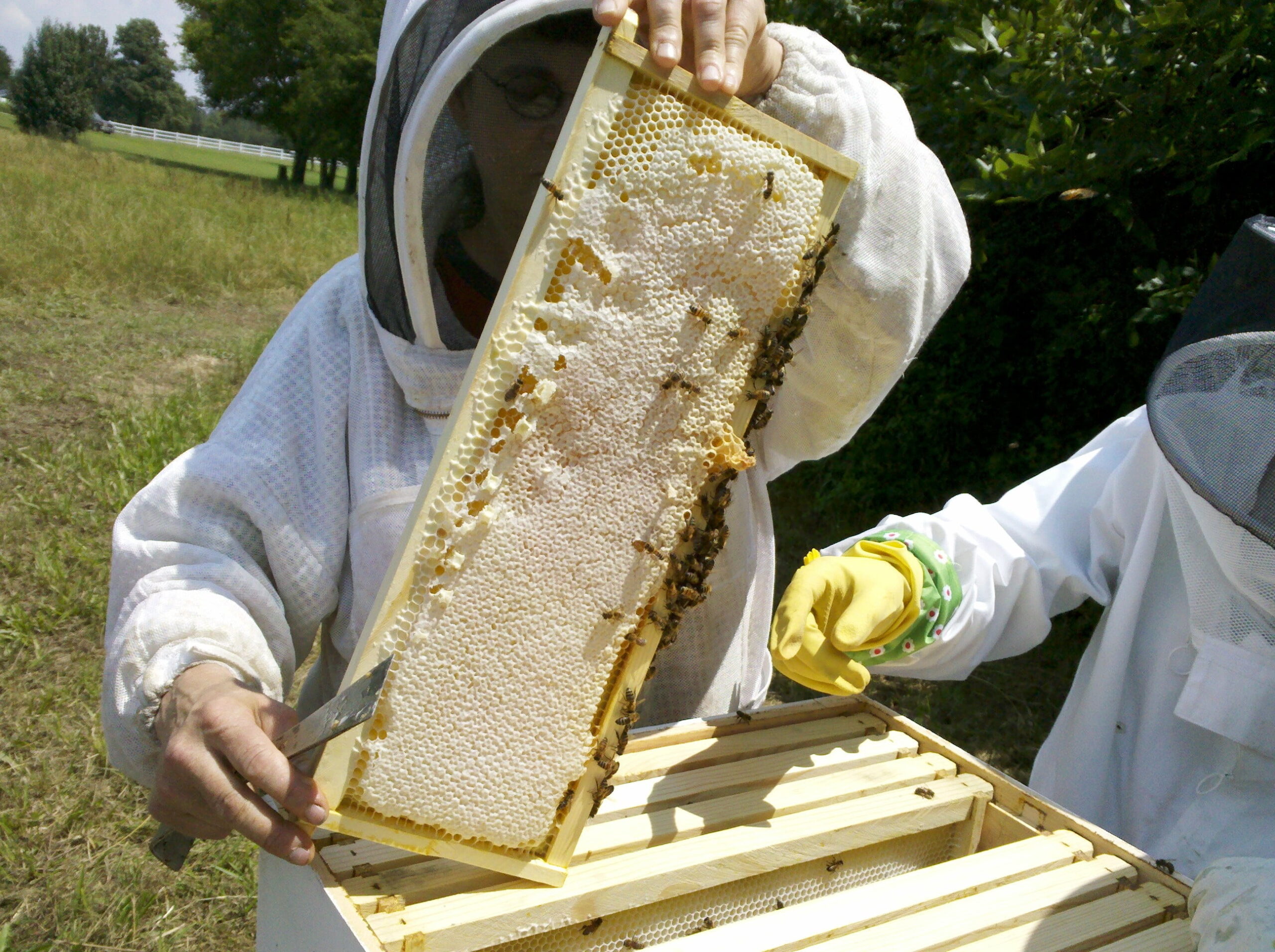
The gentle murmur of a garden fountain often attracts more than just human admiration. For foraging bees, it represents a vital, shimmering source of hydration essential for their survival. Their presence, while critical for our ecosystem, can create a tangible dilemma for homeowners enjoying their outdoor space. The solution lies not in eradication but in thoughtful, safe relocation practices that prioritize life. This practice protects both a cherished garden feature and these crucial, irreplaceable pollinators. Our approach must always prioritize the bees’ safety and continued survival above mere convenience.
This guide outlines a compassionate, step-by-step methodology for achieving peaceful coexistence. It transforms a potential conflict into a meaningful opportunity for environmental stewardship. We will explore why bees visit, how to redirect them ethically, and when to seek expert help. The ultimate goal is a peaceful garden where both ornamental water features and bees thrive together. This delicate balance is entirely achievable with careful planning, patience, and respectful action toward nature’s workers.
Understanding the Irresistible Allure of Water Features
Bees require water for critical hive functions that extend far beyond mere thirst. They use collected droplets to precisely regulate their hive’s internal temperature and humidity. Worker bees fan their wings vigorously to evaporate water, thereby cooling the developing brood. Water is also essential for thinning stored honey to feed developing larvae adequately. A garden fountain provides a perfect, consistent reservoir for fulfilling these complex biological needs. Its recirculating water is often rich in beneficial minerals like calcium and magnesium. The shallow edges or constant dripping sounds act as a powerful, reliable attractant for scout bees. This combination makes garden fountains a prime target for entire colonies seeking resources. Recognizing this non-negotiable biological imperative is the essential first step toward empathy.
It successfully reframes bees from being perceived as pests to being understood as partners. Our challenge is to manage this shared landscape space intelligently and with compassion. We must diligently find solutions that respectfully balance their needs with our own domestic comfort. This foundational understanding informs every subsequent humane relocation effort we undertake.
Conducting a Crucial Pre-Relocation Safety Assessment
You should never approach an active garden fountain with bees without thorough preparation and a plan. Begin by observing the entire situation carefully from a very safe, respectful distance. Accurately estimate the number of bees visiting; is it a casual dozen or a massive swarm? Their collective behavior can indicate whether they are simply drinking or potentially nesting nearby. Try calmly to identify if they are honey bees, which are typically more docile.
More defensive species, however, require immediate professional intervention for everyone’s safety. Visibly check for any physical signs of a hive within the fountain’s structure itself. Listen intently for buzzing sounds emanating from inside pumps or hollow pedestals. Your personal safety must remain the absolute foremost priority during this critical assessment phase. If the colony appears large or access seems difficult, you must not proceed independently. For instance, a complex infestation inside a tiered garden fountain certainly warrants a professional. In such delicate cases, a knowledgeable bee removal service in Laguna Hills can ensure a complete, safe resolution. These experts possess professional protective gear and specialized extraction tools that homeowners correctly lack.
Implementing Passive Diversion Tactics and Alternatives
The most effective long-term strategy involves creating a superior, dedicated water source elsewhere. Bees will naturally gravitate towards the most efficient and safe resource available to them. Strategically set up a shallow “bee bath” in a sunny, quiet corner of your yard. Fill a wide plant saucer or birdbath with clean water and add many pebbles or corks. These landing pads crucially prevent precious bees from drowning while they drink peacefully. Adding a mere pinch of natural salt can provide those essential minerals they actively seek. Place this attractive alternative closer to the bees’ suspected hive or nest location if possible.
This clever placement strategically leverages their innate foraging flight patterns for success. You should also consider moderately altering the garden fountain environment temporarily as a deterrent. Adding a small, safe water agitator can successfully deter bees from landing. They strongly prefer calm, still water surfaces for easy and safe drinking access overall. This intelligent diversion method remains non-confrontational and becomes highly effective over time.
Executing Careful Manual Relocation for Small Clusters
For a modest number of bees, a careful, gentle manual approach may be suitable under specific conditions. This must only be attempted during cool, low-activity periods like dusk or dawn. You absolutely must wear full protective clothing, including a proper bee veil and thick gloves. Have a well-ventilated cardboard box and a soft-bristle brush prepared and ready nearby. Gently and very slowly brush the clustered insects into the open container with great care. Move with calm, deliberate motions to avoid unnecessarily agitating the sensitive bees. Once collected, securely close the box and immediately move it to a cool, shaded area. Relocate them several miles away to a prearranged apiary or acceptable wild space. Provide the opened box near a natural water source like a pond or quiet stream. Then leave the area promptly to let the bees calmly orient themselves to this new location. This method is strictly for small, exposed clusters, not for established interior hives. It humanely resolves the immediate issue at your garden fountain without causing harm.
Engaging Professional Expertise for Complex Situations
Many common scenarios definitively require professional, experienced intervention for a safe outcome. A colony actively nesting inside the pump or plumbing of a garden fountain is a primary example. Professionals use specialized, gentle vacuums to carefully collect thousands of bees efficiently. They can meticulously dismantle fountain components to access the entire colony safely and completely. Their primary objective involves locating and preserving the all-important queen bee during the process. This meticulous care ensures the hive survives transplantation to a managed apiary successfully. Attempting this yourself risks severe injury and almost certainly kills the vulnerable colony. Experts also properly seal all entry points after the removal is thoroughly complete.
This necessary preventive action actively discourages future swarms from finding the same attractive spot. Investing in this professional service protects your property and the invaluable pollinators. It is the definitive, responsible solution for entrenched or large-scale infestations in water features. This professional approach guarantees the garden fountain can return to its intended, peaceful purpose.
Fostering Long-Term Coexistence and Garden Harmony
After relocation, proactively modify your garden fountain to prevent a frustrating recurrence. Change the water frequently to eliminate any lingering pheromone trails from scout bees. Consider installing a consistent drip or bubbler feature that disrupts the water’s surface tension. Bees find it genuinely challenging to drink from moving, rippling water effectively and safely. You can also plant strong-smelling herbs like lavender, mint, or rosemary nearby. Their potent scent can help mask the appealing mineral odor of the fountain water itself. Regularly inspect the fountain structure for new cracks or cavities needing immediate repair. Diligently maintain your dedicated bee bath as a permanent, preferable alternative watering station.
Furthermore, cultivate a garden richly planted with native, pesticide-free flowering plants. This provides ample nutritious forage and reduces their reliance on solitary water sources. A holistic, bee-friendly landscape distributes pollinator activity healthily across the property. Your garden fountain can then remain a serene, bee-free centerpiece for all to enjoy peacefully.