keli
keli 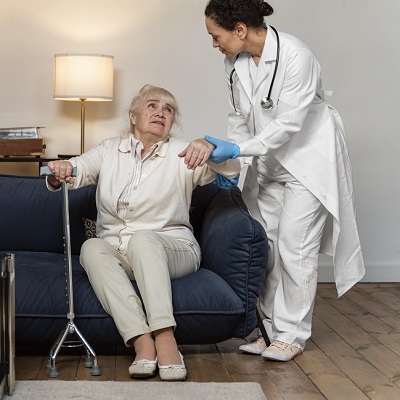
Dementia is a progressive neurological condition that impacts memory, communication, thinking, reasoning, and conduct. As Dubai’s populace ages and life expectancy increases, more families are in search of long-term care for cherished ones affected by dementia.
But, coping with dementia may be hard because sufferers frequently struggle with confusion, disorientation, agitation, mobility issues, and emotional instability. Therefore, many households opt for Dementia Care At Home In Dubai as it preserves familiarity, privacy, recurring, and comfort.
Moreover, in-home dementia care reduces emotional stress because of hospital visits and promotes safer behavioural control. Similarly, last in a familiar surroundings slows cognitive decline because patients experience greater relaxation, recognition, and much less trauma. Learn about What Is Dementia Care at Home in Dubai, and book us.
What is Dementia Care at Home?
Dementia care at home refers to specialised medical and non-clinical aid supplied with the aid of educated caregivers, nurses, and therapists inside a patient’s house. The purpose is to assist individuals with reminiscence loss, cognitive decline, behavioural adjustments, and daily living duties whilst ensuring protection and emotional well-being.
Moreover, this carrier involves:
- reminiscence help and brain-stimulating sports
- non-public hygiene assistance
- Mobility and fall-prevention guide
- medicine supervision
- Behavioral management
- Meal practise
- Emotional companionship
Additionally, dementia caregivers are trained to address temper swings, confusion, repetition, wandering, and hallucinations in a peaceful, supportive way.
Reasons Why Dementia Care at home Is essential
There are numerous crucial reasons households pick home-based dementia care:
- First, dementia leads to sluggish memory loss, making everyday duties extremely tough. Patients often forget about medication schedules, meals, hygiene routines, and safety measures. Furthermore, personality modifications and agitation may be overwhelming for circle of relatives participants who lack clinical education.
- Wandering is not an unusual symptom in moderate to advanced dementia. This conduct can cause falls, accidents, and perilous conditions. Expert caregivers provide continuous supervision to prevent such incidents.
- 0.33, dementia negatively impacts verbal exchange abilities. Patients can also emerge as annoyed, irritable, or withdrawn. Educated caregivers recognise how to respond using therapeutic communication strategies.
- Similarly, as dementia progresses, the need for full-time assistance will increase. Homecare guarantees sufferers remain safe, hydrated, nourished, and emotionally supported without annoying circle of relatives schedules.
Why our clinic is the best alternative in Dubai
Enfield Royal Health Centre provides specialised dementia home care through licensed nurses and certified caregivers educated in cognitive health, behavioural health, and therapeutic communication sanatorium offers personalised care plans, regular cognitive assessments, medicine management, nutritional guidanceand safety supervision designed in particular for dementia patients. moMoreoverroup focuses on maintaining dignity, selling independence in whiwheressible, and imparting compassionate emotional help to both sufferers and households.
Benefits of Dementia Care at Home
Dementia home care gives good-sized benefits, which include:
- higher Familiarity
Closing in a regarded surroundings reduces confusion and anxiety.
- personalised attention
One-on-one care guarantees instant response to behavioural adjustments.
- safer surroundings
Expert supervision prevents falls, wandering, and injuries.
- Reduced health facility Visits
Caregivers display signs, stopping medical emergencies.
- Circle relatives aid
Home care reduces caregiver burnout among relatives.
- Continuity of habitual
A consistent everyday shape enables the slow progression of symptoms.
Moreover, emotional health improves when sufferers feel at ease and respected within the comfort of their own home.
Potential risks without the right Dementia Care
Whilst dementia is unmanaged, the subsequent complications may arise:
- increased Wandering danger
sufferezs may also depart home ignored, main to life-threatening situations.
- dietary Deficiencies
sufferers often forget about meals, resulting in weak spots and dangerous weight loss
- remedy mistakes
Missed or double doses worsen symptoms or motive facet outcomes.
- Behavioral Outbursts
Aggression, confusion, or hallucinations may also intensify without supervision.
- Falls and injuries
Poor balance increases fracture threat, especially in older adults.
Furthermore, emotional distress, depression, and loneliness are commonly observed in unsupervised dementia patients.
Ideal applicants for home Dementia Care
Home-based dementia care is recommended for:
- Early-level Dementia
patients who reexperience forgetfulness, disorientation, or confusion.
- moderate Dementia
sufferers who conflict with hygiene, food, navigation, or primary duties.
- superior Dementia
people who require regular supervision and mobility guidance.
- sufferers with Behavioural issues
the ones displaying aggression, agitation, or hallucinations.
- sufferers residing on my own
At-home care prevents self-harm and forgets about it.
Moreover, households not able to offer complete-time help advantage substantially from expert help.
Pre-Care commands for families
Before initiating dementia care at home, families should:
- prepare scientific history
offer caregiver access to diagnoses, allergic reactions, medicinal drugs, and past remedies.
- cosy home environment
dispose of sharp items, valuables, and tripping risks.
- Deploy safety Measures
Take into account door alarms, nighttime lighting fixtures, and window locks.
- Create a daily routine Chart.
Established activities reduce confusion.
- put together Emergency Contacts
percentage important numbers with caregivers.
Further, families must communicate behavioural triggers or calming techniques to ensure seamless caregiving.
How is dementia care performed at home?
Step-by-step
Home dementia care follows a structured procedure:
- evalEvaluation planning
A healthcare expert evaluates cognitive level, mobility, scientific circumstance, and character to create a tailored care plan.
- day by day residing assistance
Caregivers help with bathing, hygiene, dressing, grooming, and toileting. Furthermore, help is provided in a deferential manner to hold dignity.
- medicine management
Doses are scheduled exactly to govern symptoms.
- dietary support
Balanced meals are organized to prevent malnutrition and dehydration.
- reminiscence Enhancement
Sports, inclusive of puzzles, music therapy, storytelling, and brain sporting events pr, promote neural stimulation.
- Behavioral control
Caregivers use redirection, reassurance, and therapeutic verbal exchange to address agitation or confusion.
- Mobility help
Safe strolling practices and fall prevention techniques are taught.
- Social interaction. Meaningful conversations reduce loneliness, depression, and anxiety.
Moreover, caregivers constantly reveal temper, appetite, sleep styles, and orientation degrees to record changes right away.
Post-Care expectations for households
After introducing dementia home care, households must:
- reveal interaction excellent
observe whether the affected person responds undoubtedly to the caregiver.
- talk frequently
Share updates, concerns, or symptom changes.
- offer personal comfort items
familiar photos, blankets, or songs ease anxiety.
- Offer ordinary Consistency
Unexpected schedule changes may confuse the affected person.
- lessLessen environmental strain
Loud noises, vibrant lighting fixtures, and muddle can trigger agitation.
Furthermore, households need to continue to emotionally interact with their loved one to hold identification and luxury.
restoration and progression Outlook
Dementia is revolutionary and currently incurable. However, home care slows symptom development, stabilizes emotional prowell-beingnd complements the quality of life. Restoration depends on level, age, scientific history, and lifestyle changes.
- Early degree
Care makes a specialty of preserving independence and stopping frustration.
- slight level
Help revolves around symptom control, navigation, and hygiene.
- superior degree
Supervision will increase to ensure safety, nutrients, hydration, and luxury.
Moreover, early intervention drastically improves lengthy-time period patient outcomes by preventing hospitalisation injury, and unexpected cognitive decline.
long-term period Prevention techniques
To preserve brain characteristics longer, sufferers have to:
- inInteractn mental exercise
Crosswords, writing, and song therapy stimulate neurological pathways.
- maiMaintainght nutrition
Omega-three fatty acids and antioxidants support mental health.
- Live physically lively
Light physical games improve the blood stream to the mind.
- Maintain Social Connection
Conversations reinforce cognitive habits. Comply with the remedy Plans
Regular dosing stabilises mood and behaviour.
Additionally, warding off pressure and retaining sleep hygiene are critical for cognitive stability.
Because Familiar Surroundings Matter
Dementia care at home in Dubai provides compassionate, established, and professional guidance for patients experiencing cognitive decline. It reduces the chance of injuries, behavioral issues, nutritional troubles, and emotional misery whilst keeping the patient’s dignity and comfort.
Furthermore, home-based care eases the load on circle of relatives members, providing peace of mind and professional guidance throughout some stage in throughoute progression of the situation.
With constant tracking, healing interplay, established workouts, and expert conversation strategies, dementia patients can experience a more secure, calmer, and greater meaningful lifestyle within the familiarity of their personal home.