keli
keli 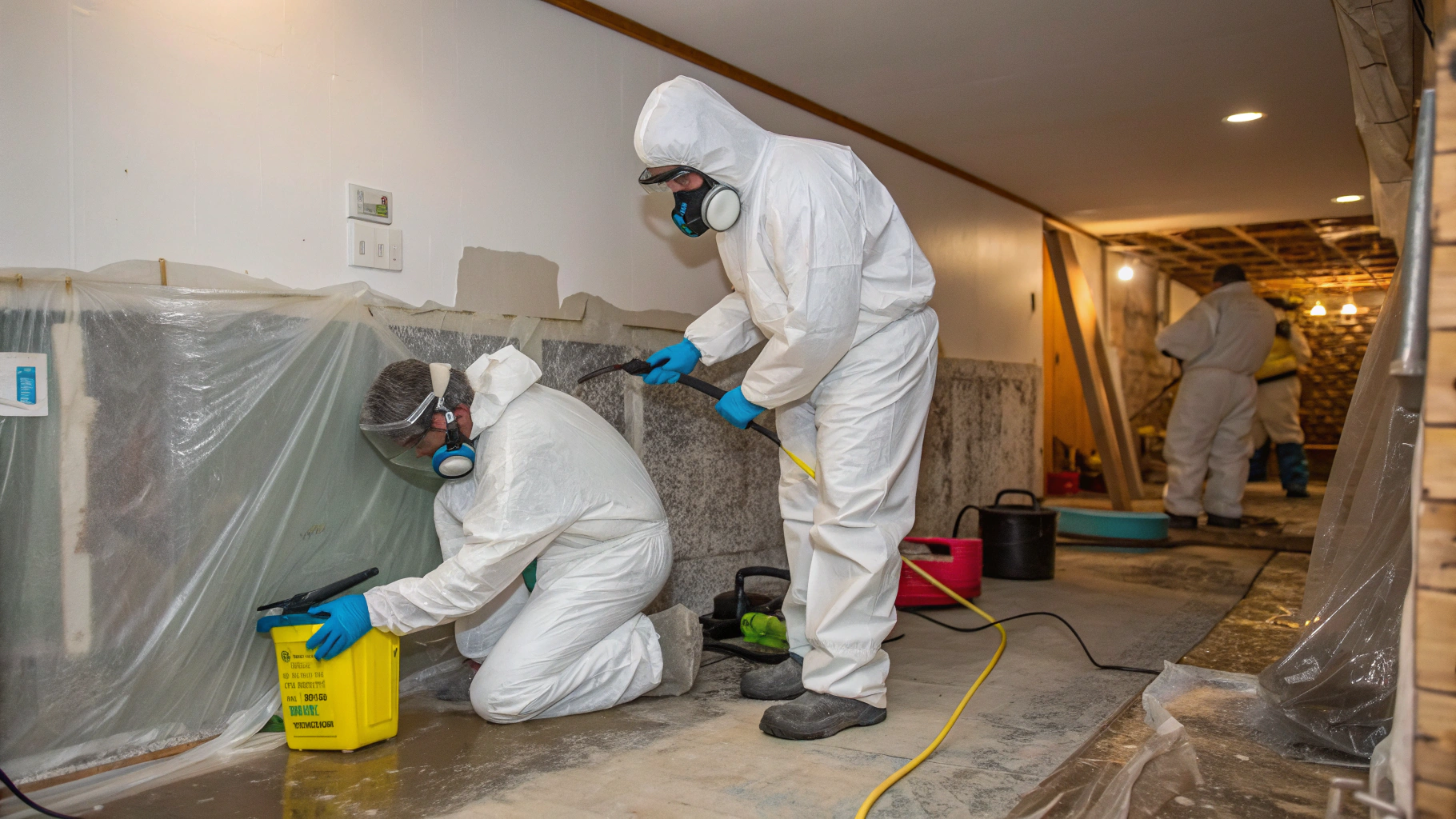
Summary
Mold rarely appears without a reason. In most homes, it develops because moisture has been present long enough to create the right conditions. Understanding where that moisture comes from is one of the most effective ways homeowners can reduce the risk of mold and recognize problems before they spread. This blog explains the most common moisture sources that lead to mold remediation in residential properties across Raleigh and Apex.
–
Introduction
Mold problems often feel sudden to homeowners, but they usually aren’t. What looks like a new issue on the surface is often the result of moisture that has been building quietly for weeks or even months. A small leak, trapped humidity, or unnoticed condensation can slowly change the indoor environment until mold has everything it needs to grow. Knowing how moisture enters and behaves inside a home helps explain why mold shows up where it does and why remediation becomes necessary even when damage isn’t immediately visible.
How Moisture Enters Homes and Creates Conditions for Mold Growth
Moisture moves differently inside a home than many people expect. Water doesn’t always stay where it first appears. It can travel through framing, soak into insulation, or linger in enclosed spaces with little airflow. In many residential cases, mold remediation Raleigh NC is required not because of a major flood or disaster, but because smaller moisture sources were left unaddressed for too long. Understanding these entry points makes it easier to identify risk areas early.
Plumbing Leaks That Go Undetected Over Time
Plumbing-related moisture is one of the most common contributors to mold growth in homes. Unlike sudden pipe bursts, slow leaks often escape notice. Guidance from the U.S. Environmental Protection Agency explains that ongoing moisture from small leaks can be enough to support mold growth when damp areas are not dried quickly or thoroughly. Because this moisture is usually hidden behind walls, under sinks, or beneath flooring, the problem often progresses before any visible signs appear.
Supply Line Failures and Aging Pipes
Water supply lines behind walls, under sinks, or near appliances can deteriorate gradually. Even a minor drip can keep surrounding materials damp, allowing mold to develop out of sight.
Drain Line Backups and Seepage
Partially blocked drain lines may leak intermittently rather than overflow dramatically. This kind of moisture often spreads into cabinets, drywall, and subflooring before homeowners realize there’s a problem.
Roof and Exterior Envelope Failures
Water entering from outside the home is another frequent cause of moisture buildup that leads to mold.
Roof Leaks After Storms or Aging Shingles
Roof damage doesn’t always result in visible ceiling stains right away. Water can move along rafters or insulation, settling in areas that remain damp long after rainfall ends.
Siding, Window, and Door Gaps
Poorly sealed windows, doors, and siding allow rainwater to penetrate wall systems. Over time, repeated exposure creates persistent moisture pockets that support mold growth.
Crawl Spaces and Basements Holding Persistent Moisture
Lower areas of the home are especially vulnerable because they interact directly with soil and groundwater.
Groundwater Seepage and Poor Drainage
When water collects around the foundation, it can slowly seep into crawl spaces or basements. Even minimal intrusion can raise humidity levels enough to support mold.
Inadequate Vapor Barriers
Without proper vapor control, moisture from the ground can rise into structural materials and living areas, increasing long-term moisture exposure.
HVAC-Related Moisture Problems
Heating and cooling systems can unintentionally introduce moisture into the home when they aren’t functioning properly.
Condensation on Ductwork and Units
Temperature differences between the air inside ducts and the surrounding spaces often lead to condensation. When this moisture isn’t managed, it can drip onto ceilings or framing.
Improper Drain Pan or Line Maintenance
Blocked or misaligned drain lines can cause water to overflow into nearby building materials, creating damp conditions that persist unnoticed.
Everyday Indoor Moisture That Builds Up Gradually
Daily household activities also contribute to moisture levels, especially in poorly ventilated areas.
Bathroom and Kitchen Humidity
Steam from showers and cooking increases indoor humidity. Without effective ventilation, moisture lingers on surfaces and within walls.
Laundry Rooms and Appliance Leaks
Washing machines, water heaters, and ice makers are frequent sources of slow leaks that often go unnoticed until mold becomes visible.
Conclusion
Most residential mold problems trace back to moisture that was present long before mold appeared. Plumbing leaks, exterior water intrusion, HVAC condensation, and everyday humidity all contribute when they aren’t properly controlled. By understanding these sources, homeowners are better equipped to spot warning signs early and address moisture before it spreads. When moisture issues persist or damage is already present, professional mold remediation Apex NC services help restore indoor environments by addressing both visible mold and the underlying moisture conditions that allowed it to grow.
FAQs
Q1. Can mold develop without visible water damage?
A: Yes. Mold often grows in hidden areas where moisture is trapped behind walls or under flooring.
Q2. How quickly can moisture lead to mold growth?
A: Mold can begin forming within one to two days when moisture remains consistently present.
Q3. Are small leaks really a concern?
A: Even minor leaks can create long-term damp conditions that support mold if they aren’t addressed promptly.